6 and 7 year olds,
curious, kind, ready.
Questions and new words may open up more ways to explore the world. Reading, writing and numbers may be taking up more space at school. Every child develops at their own pace.

- Body
- Running, biking, tying laces
- Mind
- Longer focus, real questions
- Heart
- First true friendships
Growing up, one bite at a time.
Common possibilities for body, mind, feelings and school. Every child develops at their own pace.
Always on the move
Movement and play can bring new challenges, from balancing to using a pencil.
- 01Big movementsRunning, jumping, cycling and swimming offer different ways to practise balance and coordination. Choose what feels comfortable.
- 02Little handsDrawing and crafts can help practise pencil grip and scissor skills, at a comfortable pace.
- 03Sleep and rechargeA regular bedtime and time to rest can help your child recharge.
Big thinkers in small bodies
Questions and new words may open up more ways to explore the world.
- 01From magic to logicChildren may begin to see that a tall glass and a short glass can hold the same water.
- 02Memory and focusSome children may remember more details or focus for longer; others need frequent breaks.
- 03Words and jokesLonger sentences and silly jokes may become part of conversation. Finding words for feelings can still take help.

First real friendships
Friendships and feelings can become a bigger part of everyday life.
- 01Sharing and teamworkPlaying together offers chances to notice feelings, practise taking turns and resolve small disagreements with help.
- 02Naming feelingsThey may begin to name feelings such as frustration or embarrassment, with support when feelings are strong.
- 03ConfidenceRecognising effort can encourage a child to try a manageable next step.

Reading, writing and clicking the dots
Reading, writing and numbers may be taking up more space at school.
- 01Reading takes offSome children enjoy short books; others are still practising sounds and letters. Read together at a comfortable level.
- 02Writing real sentencesSimple sentences can be a chance to practise capitals, full stops and new spellings.
- 03Math basicsTry counting, shapes or adding within 20 if these fit your child’s current level. Objects can help make numbers concrete.
Subjects to explore.
Suggestions to explore together. Check each guide for content, lesson language and availability; some courses are still in development.


Try a question to explore together.
One question, a hint when it's tricky, and a cheer when it clicks. No timers, no rush.
Sam has 7 apples. He gets 5 more. How many apples does he have now?
Mentors as examples.
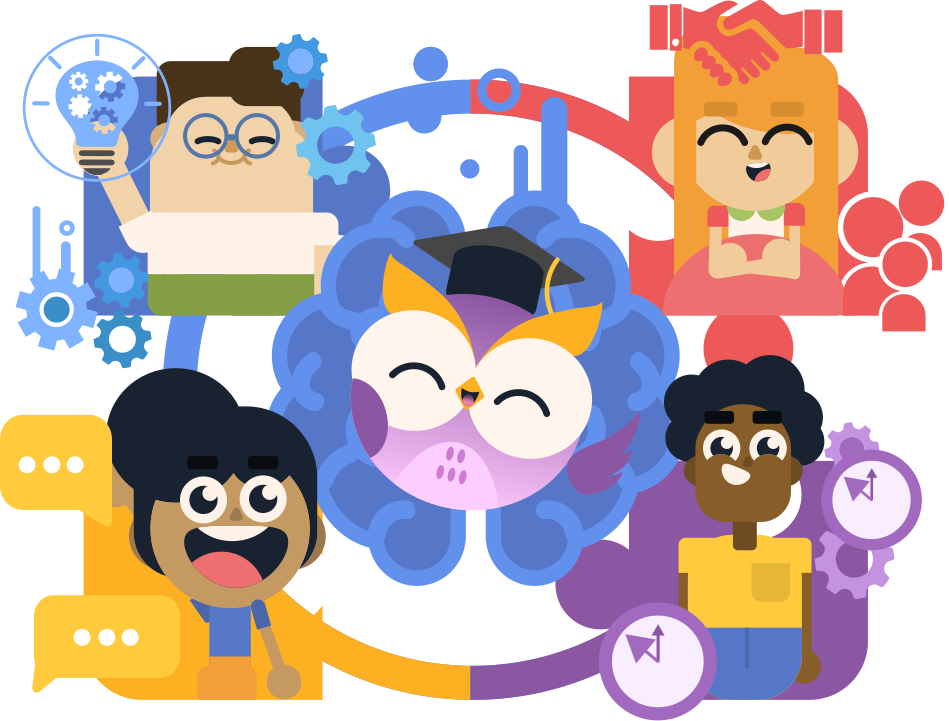
These characters show the feel of BrainBite. Mentors vary by lesson and are not assigned exclusively by age. AI can make mistakes; adults remain involved.

Practising together offers a chance to recognise effort and talk about tricky moments.



Short lessons, real progress.
Short lessons
Your own pace
Start with a short lesson. Take breaks and choose a pace that fits your child’s energy and attention. Short lessons leave room for movement, play and rest.

Little ways to help
Tiny moments add up. Try one a day.

- 1Read togetherFive minutes before bed, your finger under each word.
- 2Talk it outAsk why they think something. Listen, do not fix.
- 3Move a lotMake room for outside play and movement alongside screens.
- 4Praise the tryCheer the effort, not just the right answer.
- 5Tiny choresSet the table, pack a bag. Small wins, growing confidence.
- 6Protect sleepMake time for sleep and a calm bedtime routine.
What parents ask about this age.
BrainBite is for children aged 6 and up. Choose together based on interests, reading confidence and what your child already knows. Age groups are a starting point, not an assessment or a fixed level.
Help your kid grow with playful, smart learning.
Explore the family plans, or start with free practice.